
Where to Eat in Badaro: Hidden Culinary Gems Worth Trying

Badaro is one of those Beirut neighbourhoods where food is closely connected to the pace of everyday life. Cafés, restaurants and small dining spaces sit alongside residential streets, creating an area that feels more lived-in than purely tourist-focused. For visitors looking for restaurants in Badaro Beirut, this makes the neighbourhood worth exploring slowly rather than choosing a single place and moving on.
Located around Beirut’s Museum District, Badaro offers a convenient mix of Lebanese food, Mediterranean flavours, casual meals, coffee spots and evening dining. It is also an area where a meal can easily become part of a wider day spent walking, visiting cultural attractions or simply taking a break from the busier parts of the city.
Why Badaro Is Worth Exploring for Food?
Badaro has a neighbourhood character that makes dining here different from eating in a heavily tourist-oriented district. The streets combine residential buildings, cafés, restaurants and places where people gather throughout the day.
For travellers, that creates opportunities to experience Beirut at a more relaxed pace. Breakfast can be followed by a walk through the Museum District, while lunch or dinner can become a longer social experience rather than a quick stop between attractions.
The area is also flexible when it comes to food preferences. Someone looking for traditional Lebanese flavours can choose a meal built around mezze, while another visitor might prefer Mediterranean-inspired dishes, Italian food or a casual evening meal.
This variety is one reason Badaro works well for both locals and weekend travellers. You can visit without needing to plan every meal in advance.
Understanding Beirut Through Its Food
Food is an important part of Beirut’s social culture. Meals often involve sharing, conversation and a selection of dishes rather than one individual plate. This is particularly noticeable with Lebanese mezze, where several small dishes can be placed in the centre of the table.
Classic choices include hummus, tabbouleh, fattoush, labneh, moutabal, stuffed vine leaves and grilled meats. The combination allows diners to move between fresh salads, dips, vegetables and heartier dishes throughout the meal.
Lebanese breakfast is another part of the local food experience worth trying. Man’ouché, a flatbread traditionally topped with ingredients such as za’atar or cheese, is a familiar choice and provides a simple introduction to everyday Lebanese eating habits.
For visitors, the appeal is not necessarily about finding the most elaborate meal. Sometimes a casual breakfast, shared mezze lunch and relaxed dinner provide a better understanding of Beirut gastronomy than trying to fit too many formal dining experiences into one day.
Types of Restaurants to Look For in Badaro
When considering restaurants in Badaro Beirut, it helps to think about the kind of experience you want. The neighbourhood offers enough variety that the same area can work for breakfast, lunch, an afternoon coffee or a longer evening meal.
| Dining style | What to expect | Suitable for |
| Lebanese dining | Mezze, grilled dishes, salads and traditional flavours | First-time visitors |
| Mediterranean cuisine | Fresh ingredients, vegetables, seafood and regional flavours | Lunch or dinner |
| Casual restaurants | Relaxed meals and familiar options | Friends and families |
| Cafés | Coffee, breakfast and light food | Morning or afternoon |
| Italian dining | Pasta, pizza and Italian-inspired dishes | Couples and groups |
| Evening dining | Longer meals and drinks in a relaxed setting | Dinner plans |
| Lounge-style spaces | Light bites, drinks and conversation | Late afternoon or evening |
The advantage of this range is that visitors can adapt their plans according to the day. A simple breakfast may be enough after arriving in Beirut, while a longer dinner can work better after spending the afternoon around the Museum District.
A Culinary Walk Through Badaro
A culinary walk through Badaro works best when food is combined with time to experience the neighbourhood. There is little reason to rush from one meal to another.
Start with breakfast or coffee and allow some time to walk around the Museum District. From there, continue through Badaro and look for a suitable place for a light snack or lunch.
Lunch can be an opportunity to try several Lebanese dishes together. Sharing mezze is particularly practical for groups because everyone can sample different flavours without committing to one large dish.
The afternoon can remain open. Visitors may choose to continue walking, spend time at a café or return to their accommodation for a break before heading out again.
Dinner can then provide a different experience. Depending on the mood, this might mean traditional Lebanese food, Mediterranean cuisine, Italian dishes or a relaxed evening meal.
This slower approach makes food part of the neighbourhood experience instead of treating each restaurant as a separate destination.
What to Order When Trying Lebanese Cuisine?
Visitors unfamiliar with Lebanese food may find the number of dishes overwhelming at first. A simple approach is to begin with a few familiar mezze and add one or two dishes that are less familiar.
Hummus provides a creamy base, while tabbouleh and fattoush add freshness. Labneh works well with bread and other shared dishes, and moutabal introduces the smoky flavour of roasted eggplant.
For something more substantial, grilled meats or kibbeh can be added to the table. Stuffed vegetables and vine leaves are other options for diners who want to try more traditional preparations.
The key is not to order everything at once. Lebanese dining is naturally suited to sharing, so a smaller selection can be expanded if everyone is still hungry.
This also makes the meal more social. Instead of each person focusing on a separate plate, everyone can try different combinations and discuss what they like.
Mediterranean Cuisine in Badaro
Mediterranean cuisine provides another way to experience the region’s relationship with food. Fresh vegetables, herbs, grains, olive oil and seafood are common elements across many Mediterranean traditions.
For travellers spending several days in Beirut, Mediterranean-style meals can provide variety alongside traditional Lebanese dishes. A fresh salad or vegetable-based dish at lunch can feel quite different from a more substantial dinner built around grilled food.
Mediterranean cooking also shares several characteristics with Lebanese cuisine, which means the transition between the two can feel natural rather than completely different.
This makes Badaro useful for travellers who want to explore regional flavours without limiting themselves to one style of restaurant throughout their stay.
Romantic Dinner Spots and Evening Dining
Badaro can also work well for an evening meal. Once the streets become quieter and cafés and restaurants take on a different atmosphere, the neighbourhood offers a natural setting for couples or small groups.
A romantic dinner does not necessarily require an elaborate setting. A comfortable table, good food and enough time for conversation can be more important than formality.
Couples can consider sharing several dishes rather than ordering individual meals. This fits naturally with Lebanese dining and allows both people to try different flavours.
For a more relaxed evening, dinner can also be combined with a drink or coffee afterwards. The point is to allow the meal to become part of the evening rather than treating it as a fixed appointment with a strict end time.
Badaro for Weekend Travellers
Weekend travellers often have limited time in Beirut, making Badaro a practical area for combining food and sightseeing.
A morning can begin with breakfast before heading towards the Museum District. After visiting cultural attractions, visitors can return to Badaro for lunch and spend part of the afternoon exploring the surrounding streets.
Because the neighbourhood offers different types of dining, there is no need to decide on every meal before arriving. Plans can change depending on the weather, energy levels and what catches your attention while walking.
For a short visit, this flexibility can be valuable. Instead of spending time travelling across Beirut for every meal, visitors can build a food-focused day around one neighbourhood.
How to Choose Between Local Restaurants?
With several choices available, deciding where to eat can sometimes be more difficult than finding food. A useful starting point is the type of meal you want.
If the goal is to experience Lebanese cuisine, look for a menu built around mezze, traditional salads, grilled dishes and familiar local preparations.
For a lighter meal, a café or Mediterranean-style restaurant may make more sense. If the evening is intended to be slower and more social, consider a restaurant where sharing dishes is encouraged and there is enough space to sit comfortably.
It is also worth considering what you are doing before and after the meal. A restaurant that fits naturally into a walking route can make a short Beirut itinerary much easier to manage.
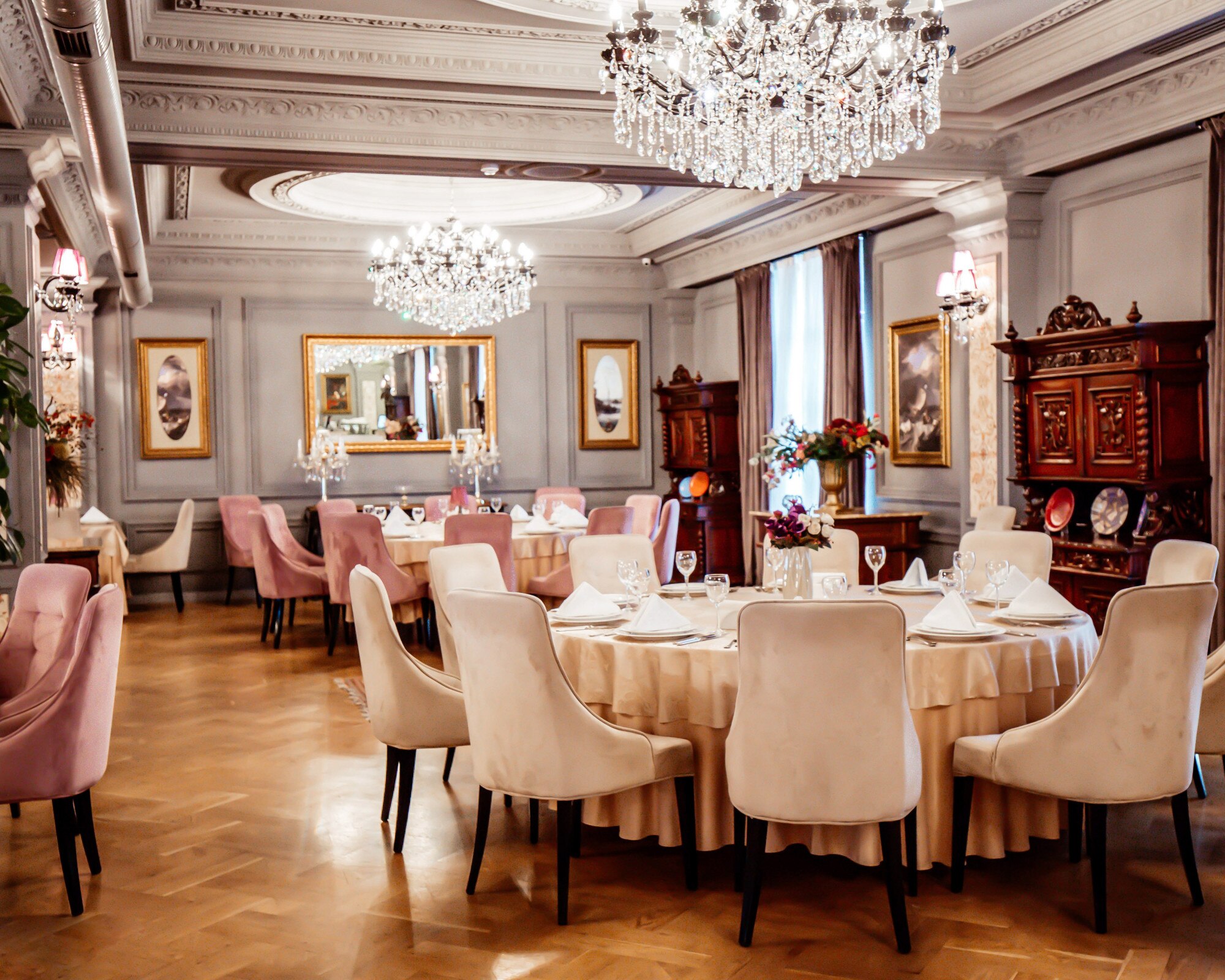
Food and Culture Around the Museum District
One of the advantages of eating in Badaro is the connection between food and culture. The Museum District provides a natural starting point for a day that combines sightseeing with dining.
Visitors can spend the morning visiting cultural attractions, have lunch nearby and then continue exploring the neighbourhood. This creates a more balanced itinerary than trying to visit several distant parts of Beirut in a single day.
Food also provides a chance to pause and reflect on what you have seen. A shared meal can turn a sightseeing day into a more complete experience by giving you time to sit, talk and enjoy the surroundings.
For travellers interested in Beirut beyond its major tourist landmarks, this combination of neighbourhood life, food and culture can be especially rewarding.
Planning a Food-Focused Day in Badaro
A successful food day does not require a long list of restaurants. Three or four carefully chosen stops are usually enough.
Begin with a traditional breakfast or coffee. Spend the late morning exploring the Museum District and surrounding streets. Around lunchtime, choose a restaurant where you can sit down and enjoy a selection of shared dishes.
Keep the afternoon flexible. This is a good time for coffee, a light snack or simply walking through the neighbourhood.
For dinner, choose something that contrasts with lunch. If the midday meal focused on Lebanese mezze, an Italian or Mediterranean dinner can provide variety. Alternatively, staying with Lebanese food allows you to explore different dishes from the same culinary tradition.
The important part is leaving enough time between meals. Badaro is better experienced at a relaxed pace than as a checklist of food stops.
What Makes Badaro Different From a Typical Tourist Dining Area?
Badaro’s appeal comes partly from the fact that food is integrated into the neighbourhood rather than separated from everyday life.
Restaurants and cafés exist alongside residential streets and cultural spaces. People can meet for coffee, stop for lunch, have dinner with friends or spend an evening out without necessarily travelling to a different district.
For visitors, this creates a more natural way to experience Beirut. You can still seek out particular cuisines or dining experiences, but there is also room for discovering something simply because it looks interesting.
That balance between planned dining and spontaneous discovery is what makes exploring local restaurants in Badaro worthwhile.
Conclusion: Discover Badaro One Meal at a Time
Badaro offers a relaxed way to experience Beirut through its food, cafés and neighbourhood atmosphere. From Lebanese mezze and Mediterranean flavours to casual meals and evening dining, the area gives visitors plenty of opportunities to enjoy different sides of the city without rushing from one destination to another.
For locals and weekend travellers alike, the best approach is to leave some room for discovery. Take time to walk through the neighbourhood, share a few local dishes, stop for coffee and choose your next meal based on the atmosphere and the kind of experience you want.
With its setting in the Museum District and access to dining and accommodation, The Smallville Hotel can also serve as a convenient base for experiencing Badaro at your own pace.
Plan your stay at The Smallville Hotel and enjoy the food, culture and neighbourhood character of Badaro.